


Crocker's Iowa Greyhounds: Iowa Time Machine December 30, 1861

Iowa Time Machine ⏰: On December 30, 1861, Des Moines lawyer Marcellus Crocker was promoted to lead the Iowa Greyhounds. His new command, the 13th Iowa Infantry, had been organized just weeks earlier at Davenport, a regiment of farmers and shopkeepers eager to prove themselves in battle. Within months, Crocker would forge these inexperienced volunteers into one of the most feared and respected fighting forces in the Western Theater, earning them the nickname "Crocker's Greyhounds.”

Crocker embodied the peculiar mix of frontier practicality and eastern education that defined Iowa's Civil War generation. Born in Franklin, Indiana, in 1830, he came to Iowa as a teenager when his father claimed government land near Lancaster in Keokuk County. After his father died in 1849, Crocker left the United States Military Academy to return home and settle the estate. A prominent Iowa judge noticed the young man's potential and offered to teach him law free of charge, providing access to his personal library. By 1850, Crocker had established a practice in Des Moines, where he married and started raising a family.

When Fort Sumter fell in April 1861, Crocker immediately organized a militia company called the Capital Guards. The three-month quota filled before Iowa could accept his men, but when President Lincoln called for three-year enlistments, Crocker and his company joined the 2nd Iowa Infantry. His rapid promotions from captain to major to lieutenant colonel in the first seven months of the war demonstrated both his natural leadership abilities and the desperate need for competent officers in an expanding volunteer army. The promotion to colonel of the 13th Iowa Infantry at the end of 1861 gave Crocker his first independent command. The regiment had been recruiting throughout October and early November in counties across eastern Iowa, drawing men from Linn, Jasper, Marion, Lucas, Keokuk, Scott, Polk, Benton, Marshall, and Washington counties. These volunteers brought frontier toughness with them but lacked military discipline and training. Crocker set about transforming them into soldiers with a relentless focus on drill, discipline, and speed.
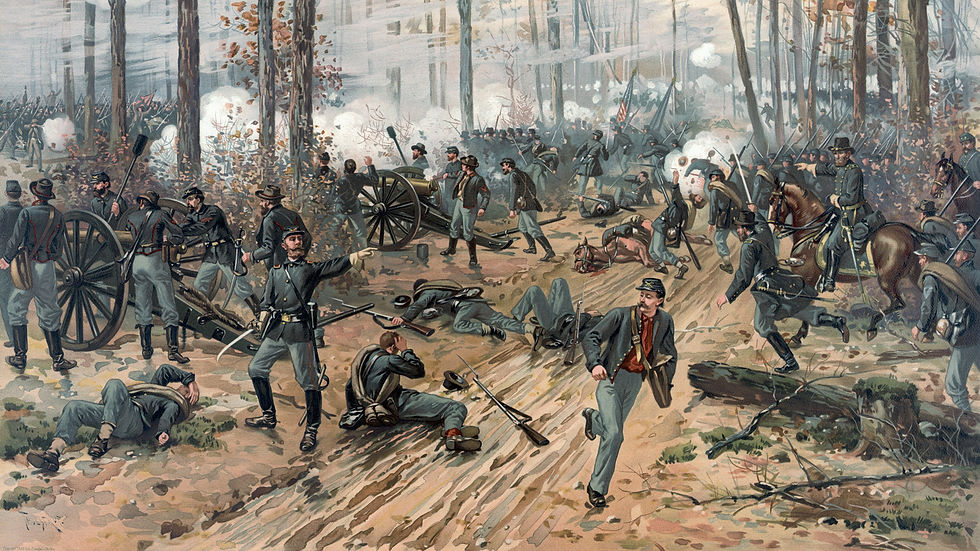
The training proved vital when the 13th Iowa faced its baptism of fire at Shiloh in April 1862, where Crocker's regiment held a critical position during the Confederate assault on the first day of battle. After Shiloh, the Iowa Brigade formed around four regiments, including Crocker's 13th, and his promotion to brigadier general in November 1862 gave him command of all four units. The brigade's reputation for swift marching and aggressive fighting earned it its famous nickname, a moniker that Union commanders valued and Confederate forces learned to respect. #Iowa #OTD #History #CivilWar #Military


Comments