


Annie Turner Wittenmyer: Iowa Time Machine January 22, 1866

Iowa Time Machine ⏰: On January 22, 1866, Congress approved the transfer of an abandoned Camp Kinsman and all of its equipment to the Iowa Soldiers’ Orphans Association. Thanks in part to the efforts of Annie Turner Wittenmyer, the action was unprecedented in American history and demonstrated the government’s commitment to caring for children orphaned by the Civil War.

Annie Turner Wittenmyer spent the Civil War as an agent of the Christian Commission, staffing and supervising dietary kitchens in U.S. Army hospitals. The conditions in military hospitals shocked her when she first visited her brother during the early months of the war. Soldiers recovering from wounds and disease received inadequate nutrition that undermined their healing. Wittenmyer's advocacy for dietary reform brought her into contact with thousands of Union soldiers from Iowa.
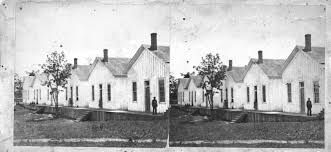
Many of those men, facing death far from home, extracted promises from her that she would care for their wives and children. After the war ended, Wittenmyer began advocating for the estimated 13,500 children in need of assistance as a result of Iowa's war casualties. In 1865, Wittenmyer traveled to Washington to request that the abandoned army barracks at Camp Kinsman be donated to serve as a home for the orphans of Civil War soldiers. Rufus Hubbard, who had been superintendent at the first orphanage the association established in Farmington, traveled to Davenport to prepare Camp Kinsman for its new residents. The Congressional approval on January 22, 1866, gave legal authority to the transfer that Wittenmyer had negotiated.

Hubbard managed the daily operations of the growing institution until April 25, 1866. Wittenmyer, who had been serving as matron during this transition period, then assumed full leadership as superintendent. She served as the Davenport facility's director until 1867. Additional facilities in Cedar Falls and Glenwood also came to fruition, realizing Wittenmyer’s vision of caring for Civil War Orphans. The Cedar Falls Facility eventually changed course and became the forerunner to the University of Northern Iowa. The Iowa Soldiers' Orphans' Home in Davenport evolved far beyond its Civil War origins. Starting in 1876, children from broken homes and orphans from all 99 counties in Iowa were admitted. The state legislature officially renamed the facility the Annie Wittenmyer Home in 1949, honoring the woman whose compassion had created it. The home closed in 1975, having helped an estimated 12,000 children and provided a century of service. #Iowa #OTD #History #CivilWar #Orphans


Comments